An educational journey

Solar System
Explorer

Travel across 3.5 billion years of cosmic history - from our blazing Sun all the way out to icy Pluto. Discover the data, stories and secrets of every world in our cosmic neighborhood.

←→

Navigate

Use the arrows or your keyboard's ← → keys to travel between worlds.

✦

Jump

Click any thumbnail below to jump straight to that destination.

★

Learn

Press "See More" on any slide to unlock data and fun facts.

Press Enter or Esc

01 / 10 Sun
Sun
Star
Our Star
Sun
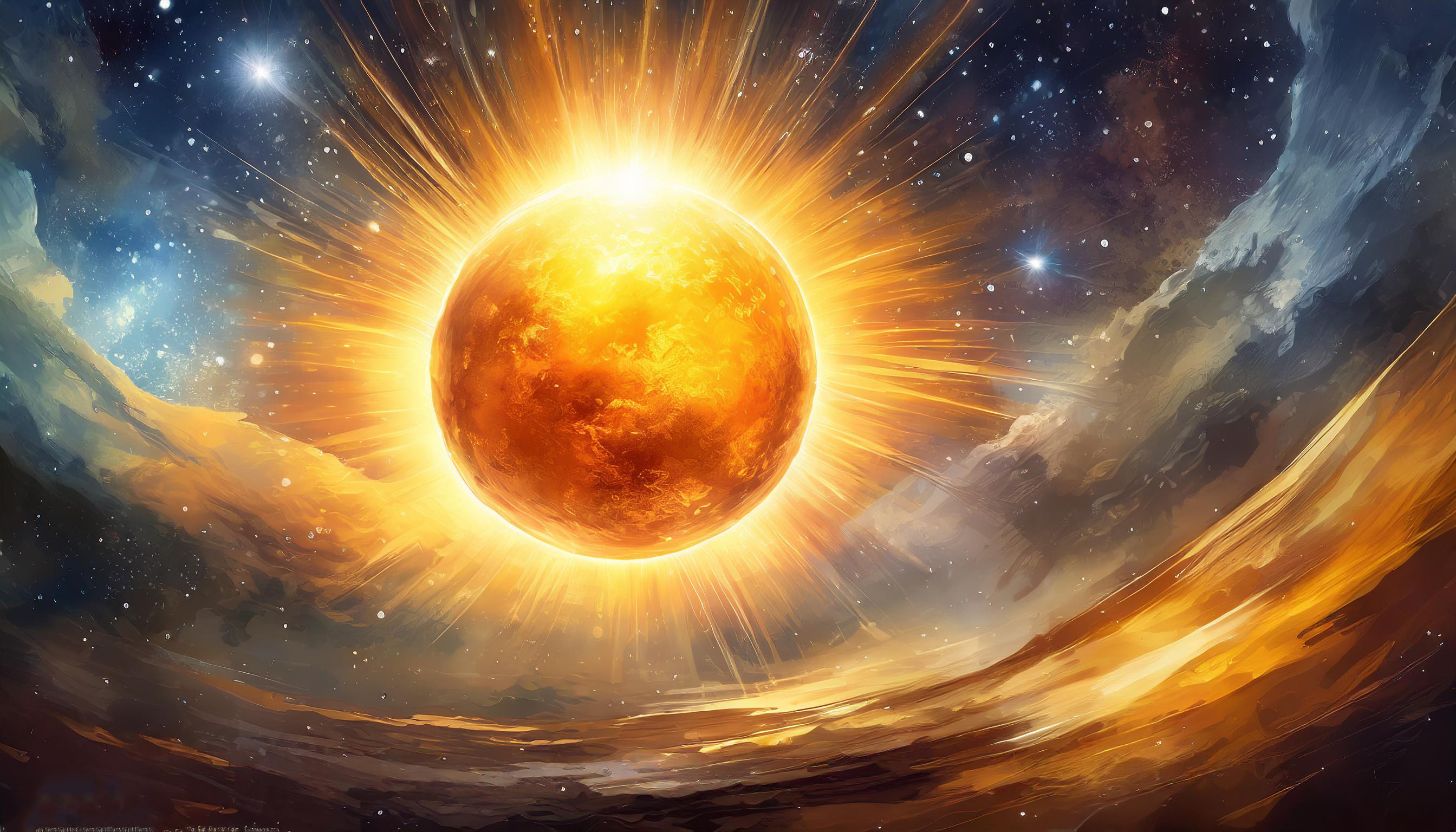
The Sun, a class G star at the solar system's center, emits light and energy crucial for life on Earth, with solar eruptions and a steady stream of charged particles influencing the entire solar system.
Planet Mercury
1st Planet
Planet
Mercury
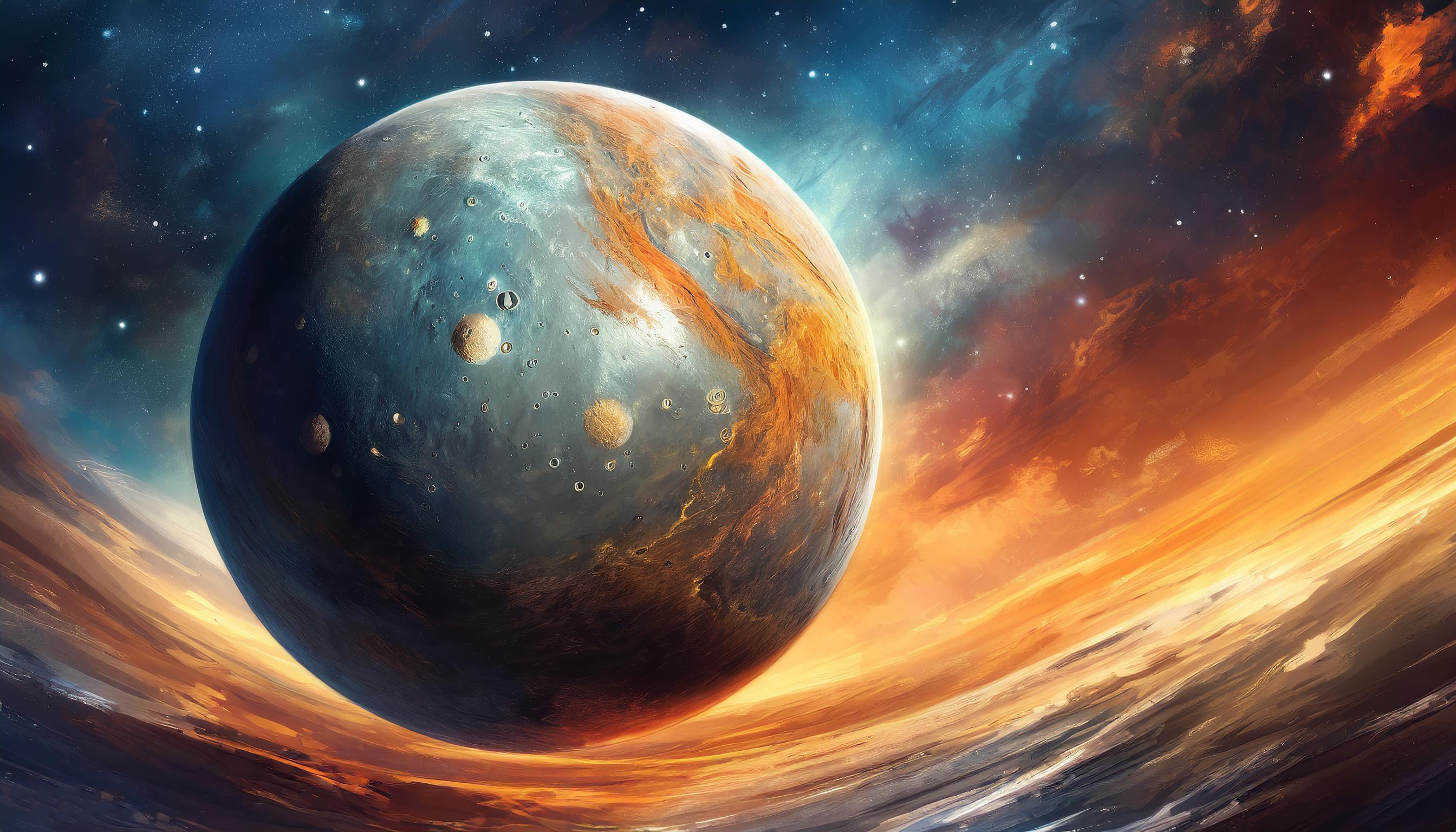
Mercury, the closest planet to the Sun, displays a rugged, cratered terrain, experiencing extreme temperatures ranging from scorching daytime heat to glacial cold at night. Its proximity to the Sun influences its rocky landscape, making it an intriguing subject for scientific study.
Planet Venus
2nd Planet
Planet
Venus
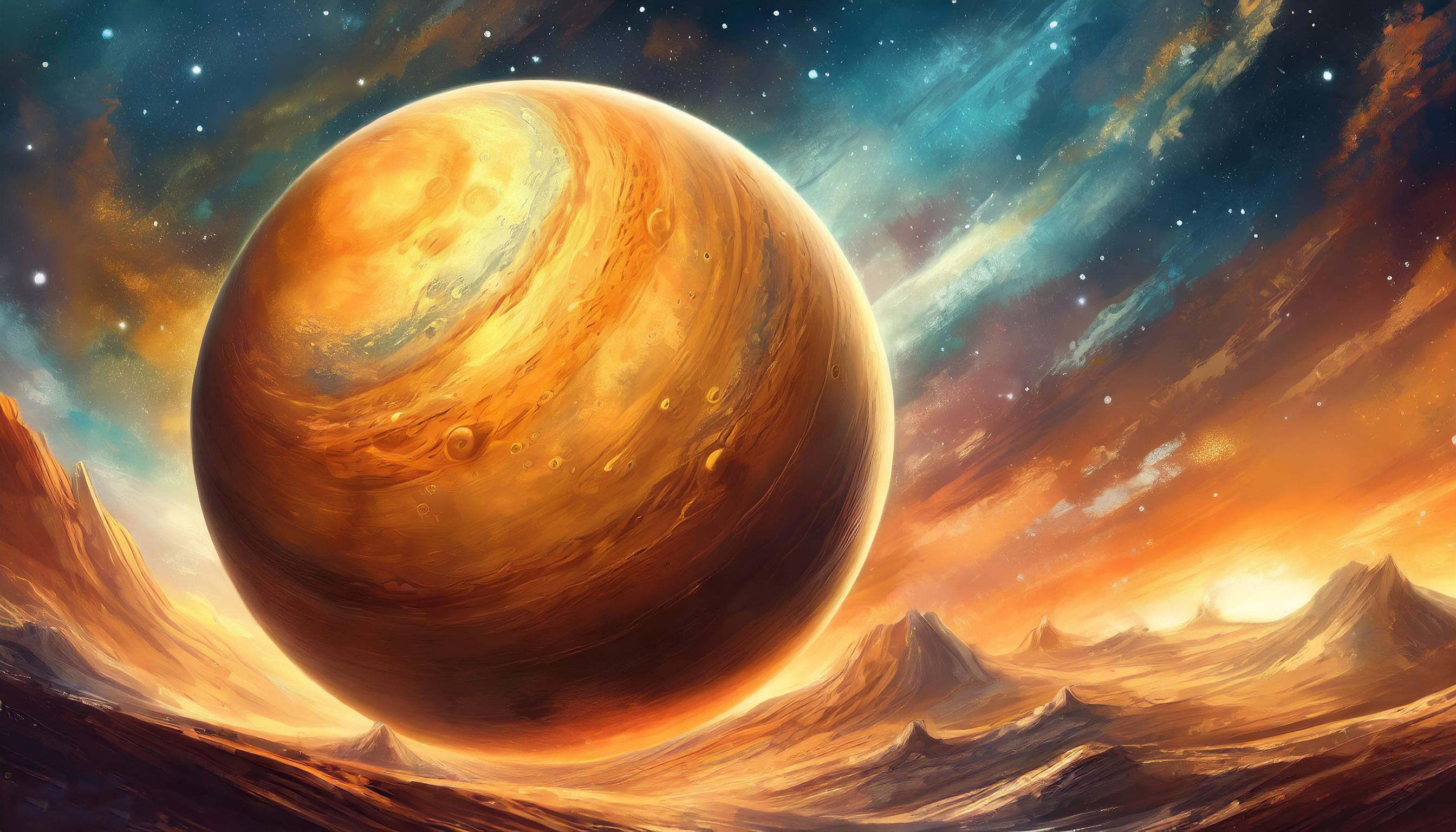
Venus, Earth's "sister planet," boasts a dense atmosphere and blistering climate, with surface temperatures high enough to melt lead.
Planet Earth
3rd Planet
Planet
Earth
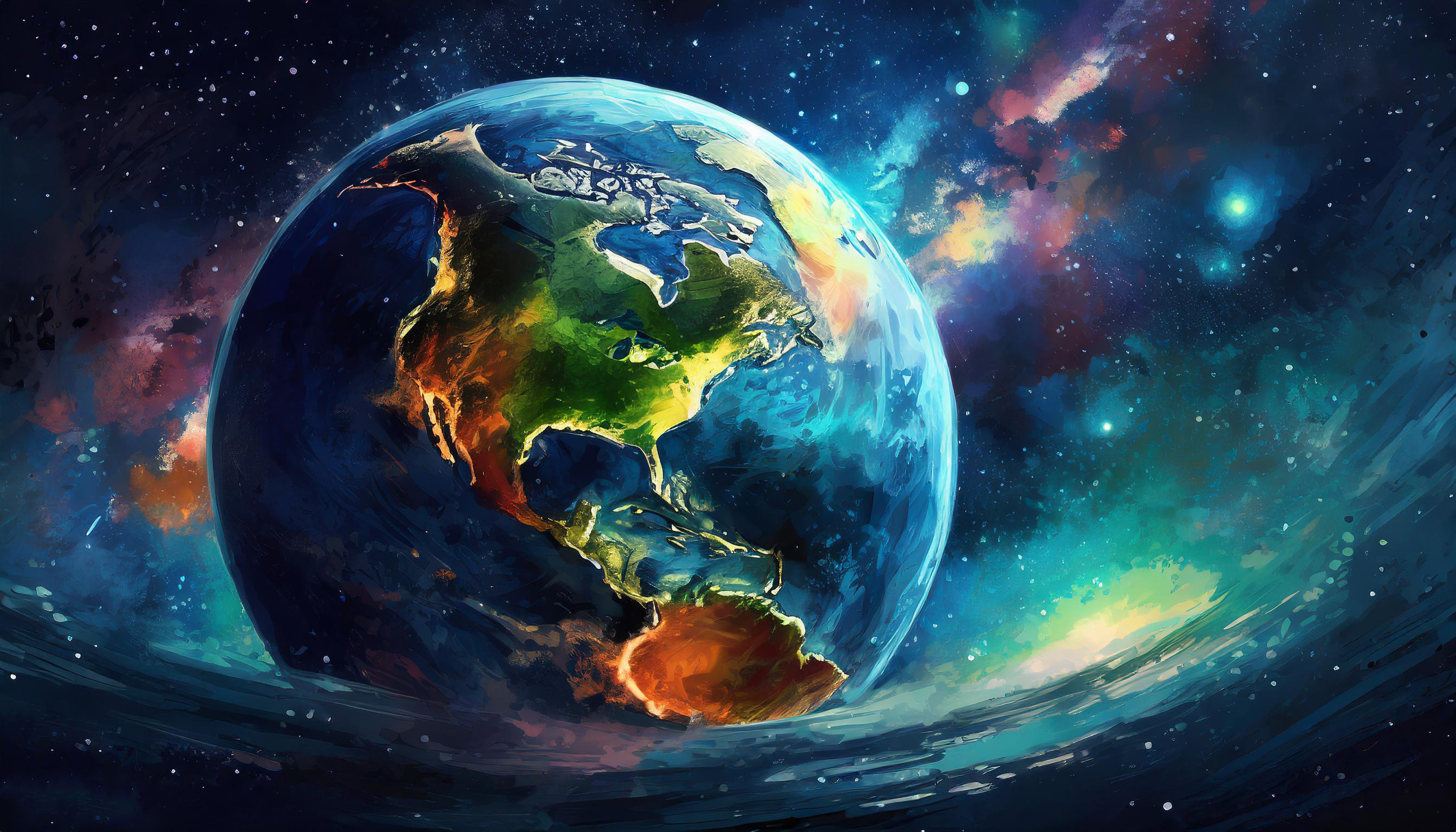
Earth, our home planet, hosts life with its oxygen-rich atmosphere, vast oceans, and unparalleled biodiversity.
Planet Mars
4th Planet
Planet
Mars
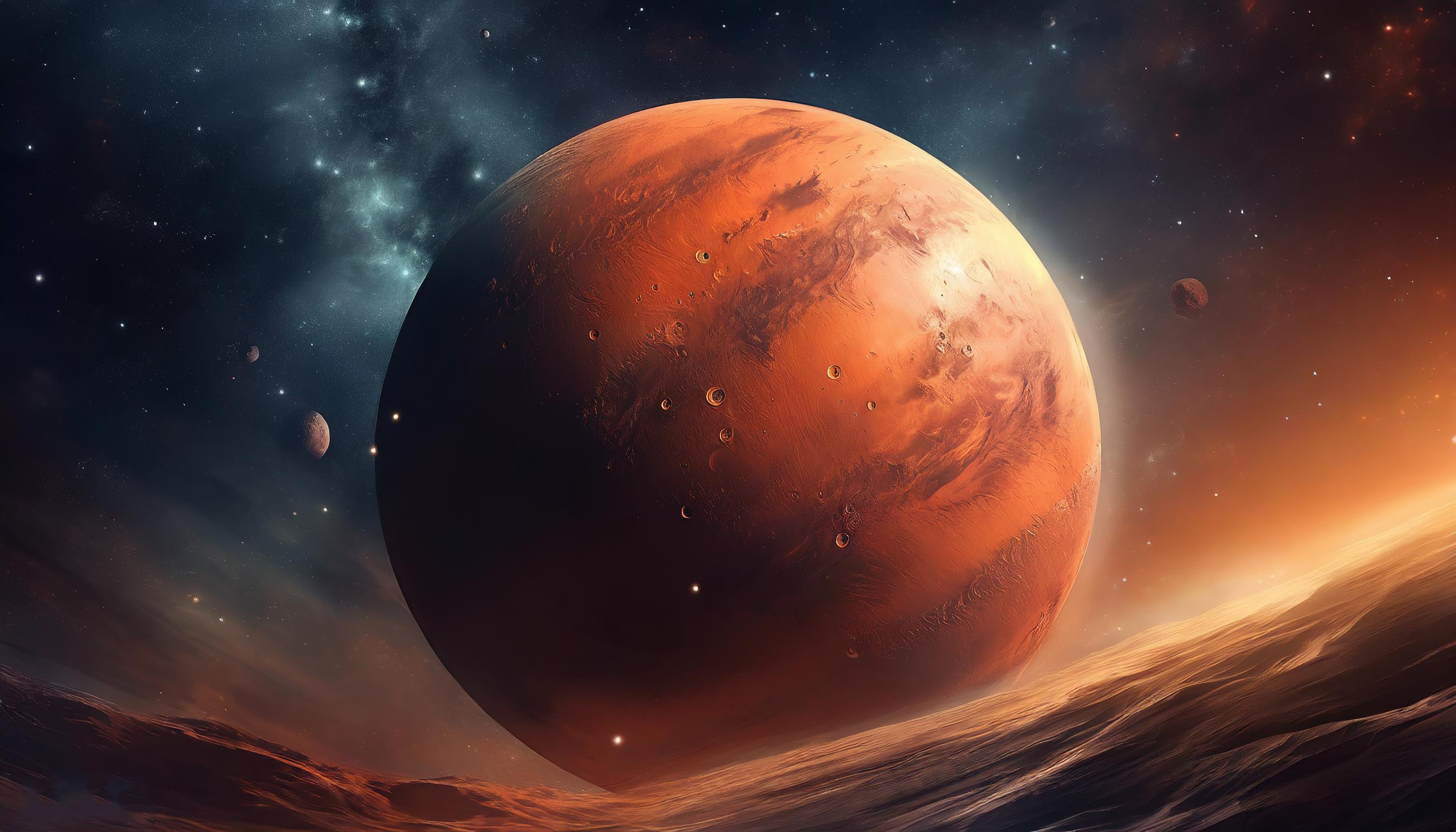
Mars, the "Red Planet," features a thin atmosphere and is marked by canyons, mountains, and dry riverbeds, fueling scientific interest in the search for life.
Planet Jupiter
5th Planet
Planet
Jupiter
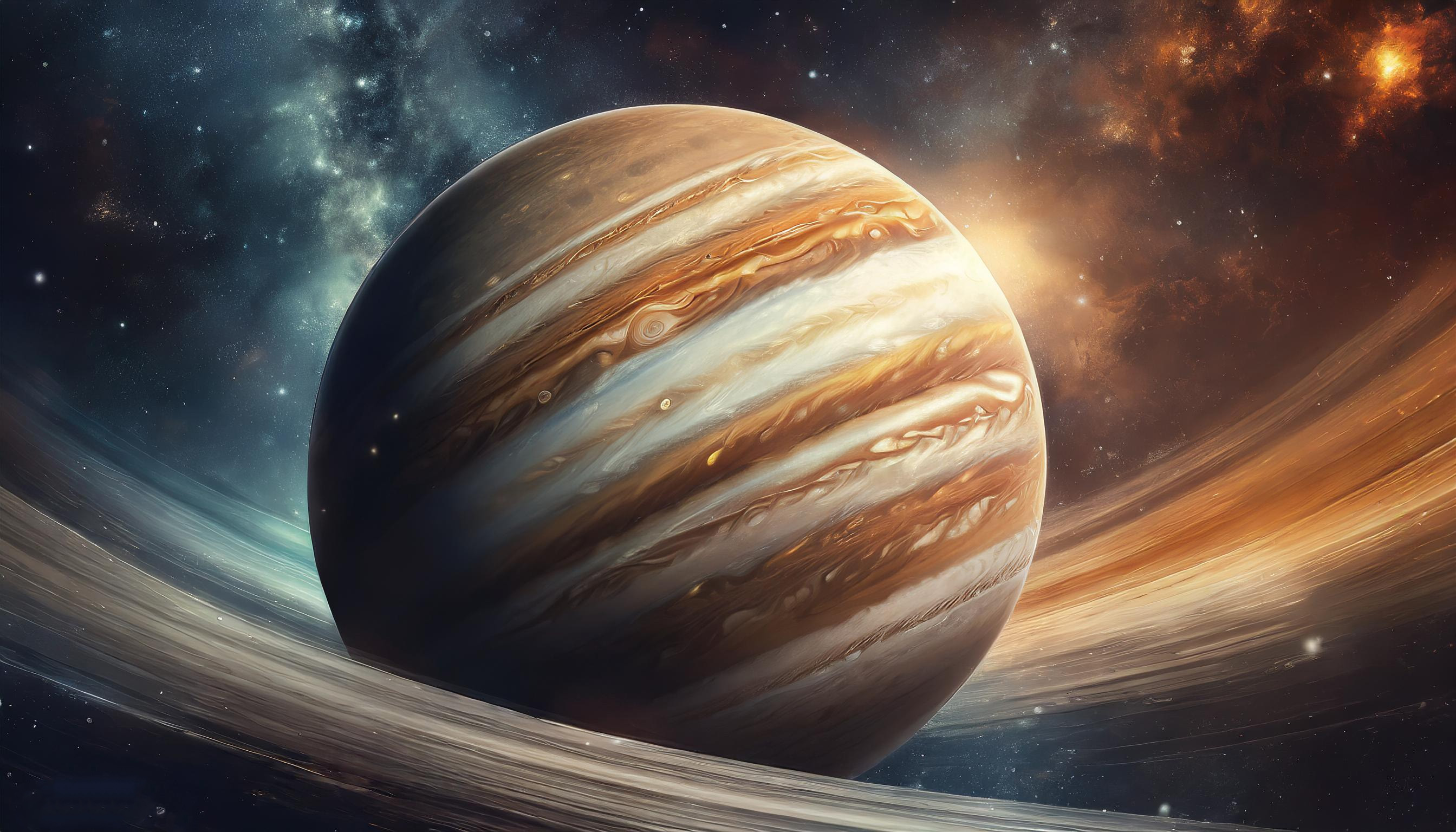
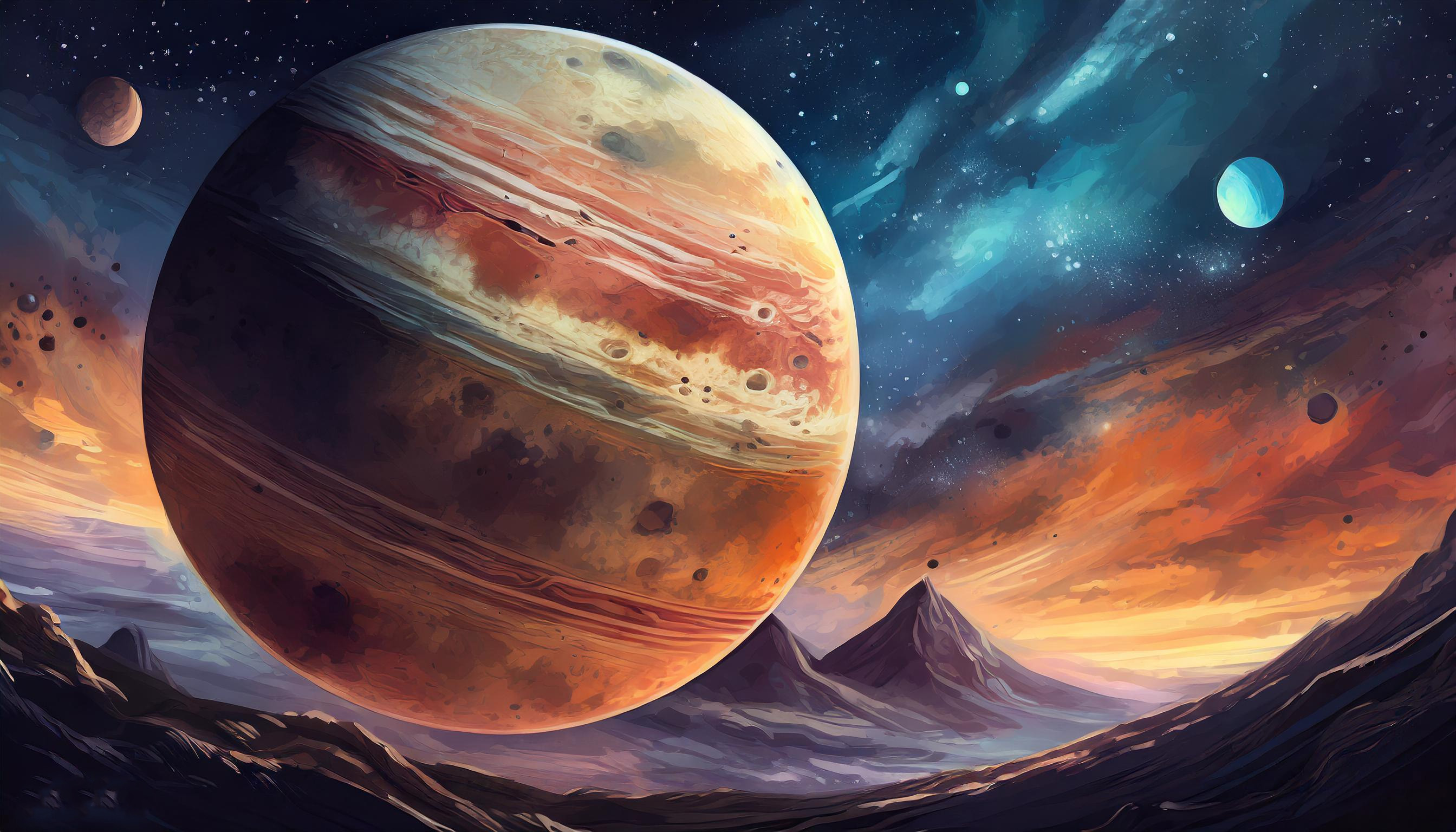
Jupiter, the gas giant, sports a turbulent atmosphere and polar auroras, with an intriguing moon system including Europa, potentially harboring oceans beneath its icy surface.
Planet Saturn
6th Planet
Planet
Saturn
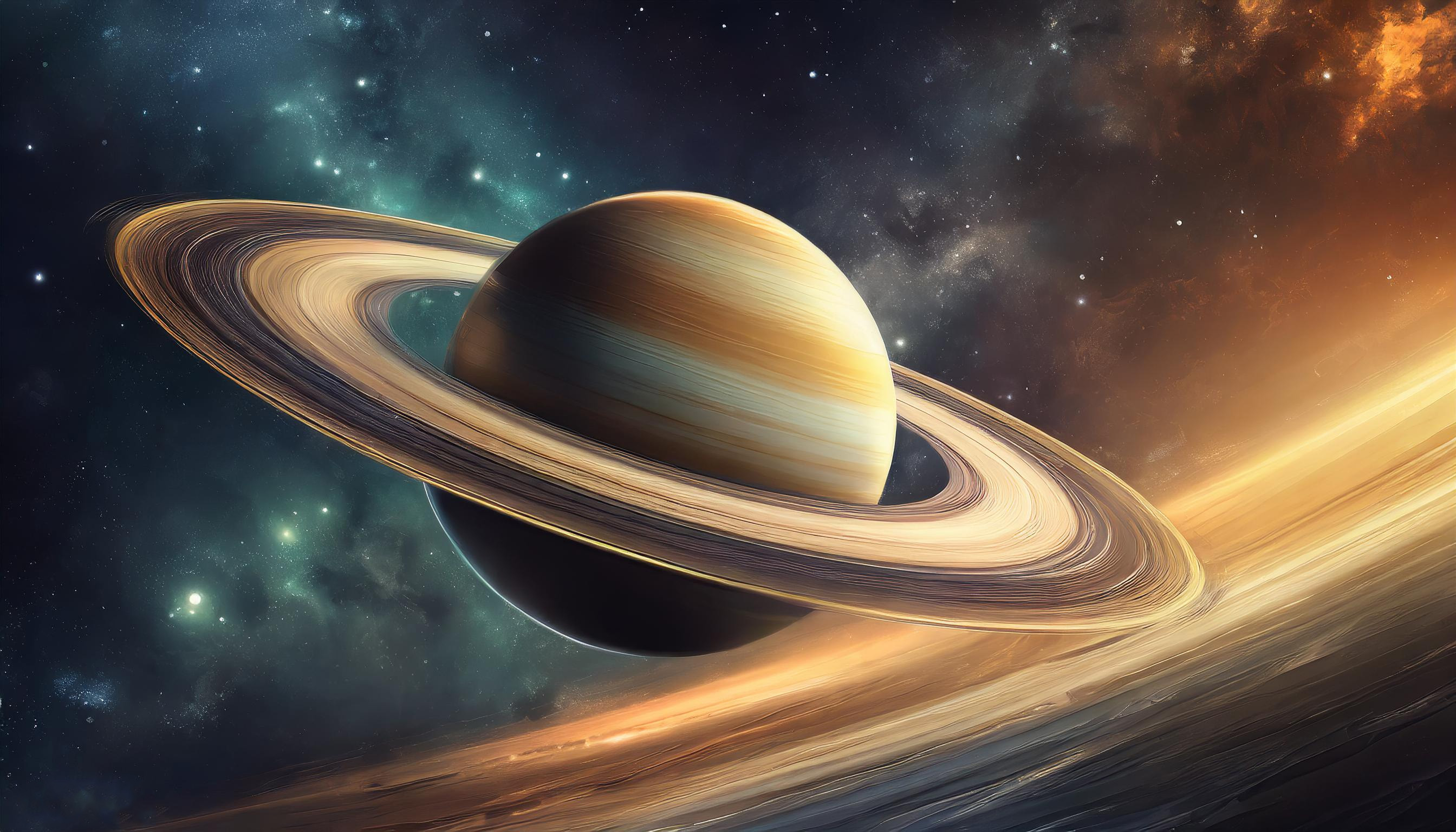
Saturn, renowned for its stunning rings of ice and rock, is a gas giant with storms and fierce winds, along with a captivating array of moons, including Titan.
Planet Uranus
7th Planet
Planet
Uranus
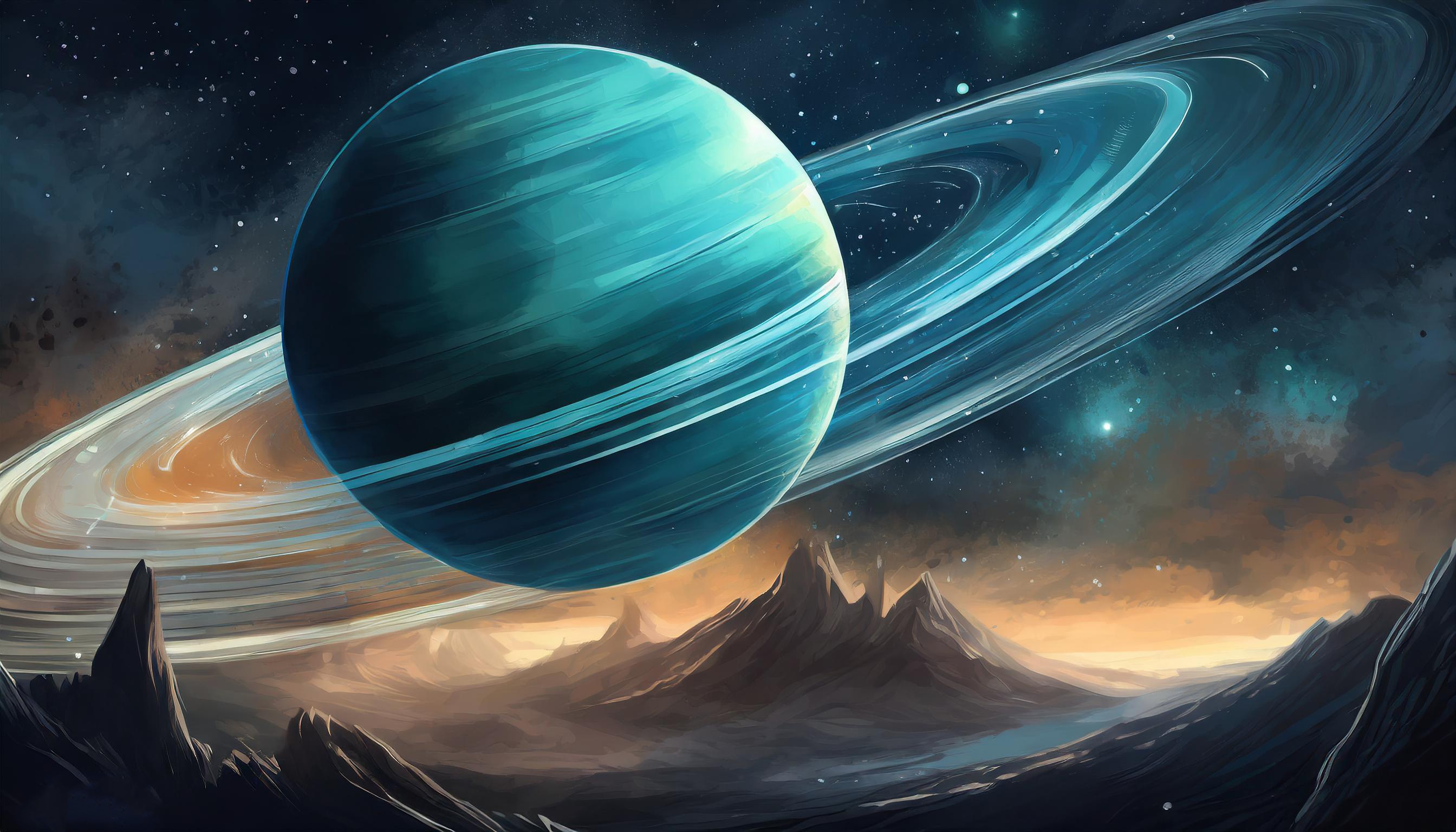
Uranus, an icy planet with a bluish atmosphere, features a tilted axis causing extremely long seasons, along with a ring system and moons that pique curiosity.
Planet Neptune
8th Planet
Planet
Neptune
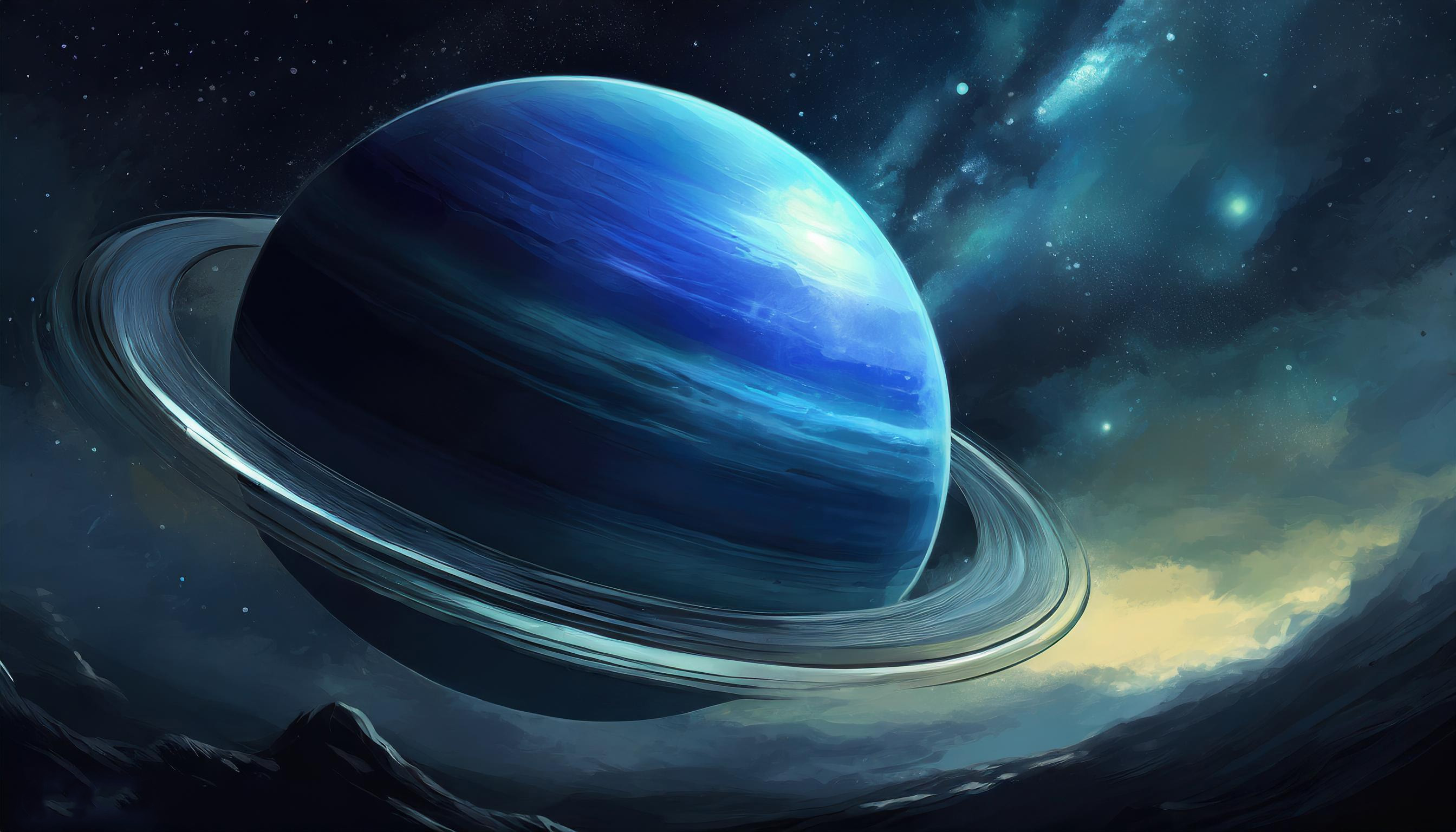
Neptune, the farthest planet from the Sun, is another gas giant with a dynamic atmosphere and intriguing moons like Triton, exhibiting geological activity and a retrograde orbit.
Planet Pluto
Dwarf Planet
Planet
Pluto
Pluto, now classified as a dwarf planet, resides in the Kuiper Belt, featuring an icy surface and a moon, Charon, influencing its orbit, generating scientific interest since the New Horizons mission.
Sun thumbnail
Sun
Our Star
Mercury thumbnail
Mercury
1st Planet
Venus thumbnail
Venus
2nd Planet
Earth thumbnail
Earth
3rd Planet
Mars thumbnail
Mars
4th Planet
Jupiter thumbnail
Jupiter
5th Planet
Saturn thumbnail
Saturn
6th Planet
Uranus thumbnail
Uranus
7th Planet
Neptune thumbnail
Neptune
8th Planet
Pluto thumbnail
Pluto
Dwarf Planet